Embark on a journey to enhance your physical and mental well-being with these 10 daily habits. From establishing a healthy morning routine to prioritizing self-care, this guide covers essential practices to elevate your overall wellness. Dive in and discover the transformative power of incorporating these habits into your daily life.
Establishing a Healthy Morning Routine
Starting your day with a structured routine can set a positive tone for the rest of the day. It helps in boosting physical and mental wellness by providing a sense of control and stability, reducing stress levels, and increasing productivity.
Benefits of a Healthy Morning Routine
- Improved focus and concentration throughout the day.
- Enhanced mood and overall mental well-being.
- Increased energy levels to tackle daily tasks.
- Better physical health through regular exercise and nutritious breakfast.
Activities for a Healthy Morning Routine
- Wake up at the same time every day to regulate your internal body clock.
- Start the day with hydration by drinking a glass of water.
- Engage in some form of physical activity, such as stretching, yoga, or a quick workout.
- Practice mindfulness or meditation to set a positive mindset for the day.
- Eat a balanced breakfast to fuel your body and brain.
Importance of Consistency
Consistency in your morning habits is key to reaping the benefits of a healthy routine. By sticking to the same wake-up time, activities, and rituals each day, you train your body and mind to function optimally. Over time, this consistency can lead to long-term improvements in both physical and mental well-being.
The Power of Regular Exercise
Regular exercise plays a crucial role in boosting both physical and mental wellness. Incorporating daily exercise into your routine can have numerous benefits, including improved mood, reduced stress, increased energy levels, and overall better health.
Different Types of Exercises
- Cardiovascular exercises such as running, cycling, or swimming are great for improving heart health and increasing stamina.
- Strength training exercises like weightlifting or bodyweight exercises help build muscle mass, increase metabolism, and improve overall strength.
- Flexibility exercises such as yoga or stretching can enhance mobility, reduce the risk of injury, and promote relaxation.
- Mind-body exercises like tai chi or Pilates focus on connecting the body and mind, improving balance, coordination, and mental clarity.
Role of Exercise in Improving Mood and Reducing Stress
Regular physical activity has been shown to release endorphins, the body's natural mood elevators, which can help combat feelings of anxiety, depression, and stress. Exercise also promotes better sleep quality, boosts self-confidence, and provides a healthy outlet for managing emotions.
By incorporating different types of exercises into your routine, you can experience a significant improvement in your overall well-being.
Nutritious Eating Habits
Eating a balanced diet is crucial for maintaining overall well-being, both physically and mentally. The food we consume directly impacts our energy levels, mood, cognitive function, and overall health. By incorporating nutritious eating habits into your daily routine, you can enhance your quality of life and promote longevity.
Essential Nutrients for Physical and Mental Health
- Protein: Essential for muscle repair, immune function, and hormone production.
- Healthy Fats: Provide energy, support brain function, and aid in nutrient absorption.
- Fiber: Promotes digestive health, regulates blood sugar levels, and helps with weight management.
- Vitamins and Minerals: Play a crucial role in various bodily functions, such as immunity, bone health, and energy production.
- Antioxidants: Protect cells from damage, reduce inflammation, and boost overall health.
Tips for Maintaining a Healthy Eating Pattern
- Start your day with a nutritious breakfast to kickstart your metabolism and fuel your body for the day ahead.
- Include a variety of fruits, vegetables, whole grains, lean proteins, and healthy fats in your meals to ensure you're getting a wide range of nutrients.
- Avoid processed foods, sugary drinks, and excessive amounts of salt and saturated fats, as they can have negative effects on your health.
- Stay hydrated throughout the day by drinking plenty of water and limiting your intake of sugary beverages.
- List to your body's hunger and fullness cues to prevent overeating and promote mindful eating habits.
Prioritizing Hydration
Staying hydrated is crucial for maintaining optimal physical and mental function. Water plays a vital role in various bodily functions, including regulating body temperature, aiding digestion, and transporting nutrients. Dehydration can lead to decreased energy levels, poor cognitive performance, and even mood swings.
Recommendations for Daily Water Intake
- General guideline: The common recommendation is to drink at least eight 8-ounce glasses of water per day, also known as the 8x8 rule.
- Individual needs: However, individual water needs can vary based on factors like age, weight, activity level, and climate. It's important to listen to your body and adjust your water intake accordingly.
- Physical activity: If you engage in regular exercise or live in a hot climate, you may need to increase your water intake to compensate for fluid loss through sweat.
- Monitoring hydration: Pay attention to signs of dehydration, such as dark urine, dry mouth, or fatigue, and make sure to drink water throughout the day to stay adequately hydrated.
Benefits of Hydration on Energy Levels and Cognitive Performance
- Improved energy: Proper hydration helps maintain energy levels by supporting the delivery of nutrients and oxygen to cells, which can enhance physical performance and reduce fatigue.
- Enhanced cognitive function: Dehydration has been linked to cognitive impairment, including difficulty focusing, memory problems, and slower reaction times. Drinking enough water can help keep your brain sharp and improve overall cognitive performance.
- Mood regulation: Hydration plays a role in regulating mood and emotions, as even mild dehydration can impact mood stability and increase feelings of irritability or anxiety.
- Healthy skin: Adequate hydration is essential for maintaining skin health, as water helps keep skin hydrated, plump, and glowing while reducing the risk of dryness and wrinkles.
Quality Sleep Patterns
Sleep plays a crucial role in both physical and mental wellness. It is during sleep that our bodies repair and regenerate tissues, consolidate memories, and regulate emotions. Poor sleep patterns can lead to a range of health issues, including weakened immune function, cognitive impairment, mood disorders, and increased risk of chronic diseases.
Strategies for Improving Sleep Quality
- Establish a consistent bedtime routine: Go to bed and wake up at the same time each day to regulate your body's internal clock.
- Create a relaxing sleep environment: Keep your bedroom dark, cool, and quiet to promote restful sleep.
- Avoid screens before bedtime: The blue light emitted by phones, tablets, and computers can interfere with melatonin production, making it harder to fall asleep.
- Limit caffeine and alcohol intake: Both substances can disrupt sleep patterns, so it's best to avoid them close to bedtime.
- Practice relaxation techniques: Deep breathing, meditation, or gentle yoga before bed can help calm the mind and prepare the body for sleep.
Consequences of Sleep Deprivation
Sleep deprivation can have serious consequences on overall health. Chronic lack of sleep has been linked to an increased risk of obesity, heart disease, diabetes, and mental health disorders. It can also impair cognitive function, memory, and decision-making abilities, leading to decreased productivity and quality of life.
Mindfulness and Meditation
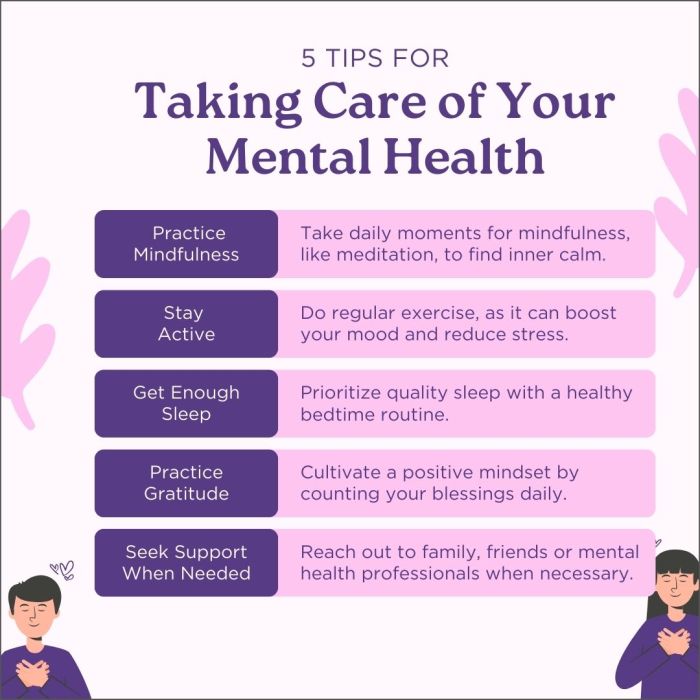
Practicing mindfulness and meditation can have a profound impact on your mental well-being. By focusing on the present moment and accepting your thoughts and feelings without judgment, you can reduce stress, anxiety, and negative emotions. This can lead to improved focus, concentration, and overall emotional balance.
Meditation Techniques
- Mindfulness Meditation:Sit quietly and focus on your breath, bringing your attention back whenever your mind starts to wander. This helps cultivate awareness and presence in the moment.
- Body Scan:Start at your toes and work your way up, paying attention to each part of your body. This can help release tension and promote relaxation.
- Loving-Kindness Meditation:Focus on sending feelings of love and kindness to yourself and others. This practice can increase compassion and empathy.
Benefits of Mindfulness
- Stress Reduction:Mindfulness practices help lower cortisol levels, reducing stress and promoting a sense of calm.
- Improved Focus:By training your mind to stay present, you can enhance your ability to concentrate and pay attention to tasks.
- Emotional Well-being:Mindfulness can help regulate emotions, leading to greater emotional stability and resilience in the face of challenges.
Social Connections and Support
Maintaining social relationships is crucial for overall wellness. Connecting with others helps reduce feelings of loneliness, boosts mood, and provides a sense of belonging. Social interactions can also lead to increased self-esteem and a greater sense of purpose.
Fostering Meaningful Connections
- Make time for regular social activities with friends and family.
- Join clubs, groups, or classes based on your interests to meet like-minded individuals.
- Volunteer in your community to connect with others while making a positive impact.
- Practice active listening and show genuine interest in others to strengthen relationships.
Impact of Social Support on Mental Health
- Having a strong support system can help reduce symptoms of anxiety and depression.
- Sharing your thoughts and feelings with trusted individuals can provide emotional relief and perspective.
- Receiving encouragement and advice from others can increase resilience in challenging times.
- Engaging in social activities can improve cognitive function and overall mental well-being.
Time for Relaxation and Leisure
Taking time for relaxation and leisure is essential for maintaining overall well-being. It allows us to recharge, reduce stress, and improve our mental and physical health. Incorporating leisure activities into our daily routines can have numerous benefits for our overall wellness.
Relaxation Techniques
- Practice deep breathing exercises to calm the mind and body.
- Engage in mindfulness activities such as yoga or tai chi to reduce stress.
- Listen to music or nature sounds to promote relaxation.
- Take a warm bath or shower to unwind and relax tense muscles.
Benefits of Leisure Time
- Improved mental clarity and focus.
- Reduced risk of burnout and fatigue.
- Enhanced creativity and problem-solving skills.
- Better emotional regulation and mood stability.
Setting Realistic Goals and Prioritizing Self-Care
Setting realistic goals and prioritizing self-care are essential components of maintaining overall well-being. By establishing achievable objectives and taking care of yourself, you can enhance your physical and mental health, leading to a more fulfilling life.
Importance of Goal-Setting for Personal Growth and Well-Being
Setting goals provides direction and motivation, giving you a sense of purpose and accomplishment. It allows you to track your progress and celebrate your achievements, boosting self-confidence and self-esteem. When it comes to physical and mental wellness, setting specific, measurable, attainable, relevant, and time-bound (SMART) goals can help you stay focused and committed to improving your overall health.
- Define clear objectives: Identify what you want to achieve in terms of your physical and mental well-being. Whether it's losing weight, reducing stress, improving fitness, or enhancing cognitive function, setting clear and specific goals will help you stay on track.
- Break goals into smaller tasks: Divide your goals into manageable steps to make them more achievable. This approach can prevent feeling overwhelmed and increase your chances of success.
- Track your progress: Keep a journal or use apps to monitor your advancements towards your goals. Regularly reviewing your accomplishments can motivate you to continue making positive changes.
- Adjust and readjust goals: Be flexible in modifying your goals as needed. Circumstances may change, and it's important to adapt your objectives accordingly to maintain progress and prevent discouragement.
Role of Self-Care Practices in Maintaining a Healthy Lifestyle
Self-care involves taking deliberate actions to prioritize your physical, emotional, and mental well-being. By incorporating self-care practices into your daily routine, you can reduce stress, improve resilience, and enhance your overall quality of life.
- Set boundaries: Learn to say no to commitments or activities that drain your energy or cause undue stress. Prioritize activities that bring you joy and relaxation.
- Practice self-compassion: Be kind to yourself and treat yourself with the same care and understanding you would offer to a loved one. Acknowledge your strengths and weaknesses without harsh self-judgment.
- Engage in activities you enjoy: Dedicate time to hobbies, interests, or relaxation techniques that bring you happiness and fulfillment. Taking breaks from work or responsibilities is essential for rejuvenating your mind and body.
- Prioritize sleep and rest: Ensure you get an adequate amount of sleep each night and allow yourself time to unwind and recharge. Quality rest is crucial for cognitive function, emotional regulation, and physical recovery.
Establishing a Nighttime Routine for Restful Sleep
Establishing a consistent nighttime routine can significantly impact the quality of your sleep and overall wellness. By winding down before bedtime and engaging in relaxing activities, you can signal to your body that it's time to rest and rejuvenate. This helps calm the mind, reduce stress, and prepare you for a restful night's sleep.
Benefits of Winding Down Before Bedtime
- Reduces stress and anxiety levels
- Promotes relaxation and calmness
- Improves sleep quality and duration
- Enhances overall well-being and mood
Activities to Include in a Nighttime Routine
- Reading a book or practicing gentle stretching
- Engaging in a calming bedtime yoga routine
- Writing in a journal to reflect on the day
- Listening to soothing music or nature sounds
- Avoiding screens and blue light exposure before bed
Impact of Nighttime Habits on Sleep Quality
Establishing a healthy nighttime routine can have a profound impact on your sleep quality. By prioritizing relaxation and winding down before bed, you can create an environment conducive to restful sleep. Consistent bedtime habits can regulate your body's internal clock, improve sleep patterns, and promote overall wellness.
Concluding Remarks
In conclusion, adopting these 10 daily habits can have a profound impact on your physical and mental wellness. By making small changes to your routine, you can pave the way for a healthier and happier lifestyle. Start implementing these habits today and unlock a brighter tomorrow.
FAQ Explained
How can I make my morning routine healthier?
You can make your morning routine healthier by incorporating activities like stretching, meditation, or a nutritious breakfast to kickstart your day on a positive note.
What are some essential nutrients for physical and mental health?
Essential nutrients like omega-3 fatty acids, vitamin D, and magnesium play a crucial role in supporting both physical and mental well-being.
How can social connections impact mental wellness?
Maintaining social relationships can provide emotional support, reduce feelings of loneliness, and contribute to improved mental health and stress management.
Why is setting realistic goals important for well-being?
Setting realistic goals helps in personal growth, boosts motivation, and enhances overall well-being by providing a sense of accomplishment and direction.
What activities can I include in a nighttime routine for better sleep?
Engage in calming activities like reading, gentle stretching, or practicing relaxation techniques to unwind before bedtime and improve your sleep quality.